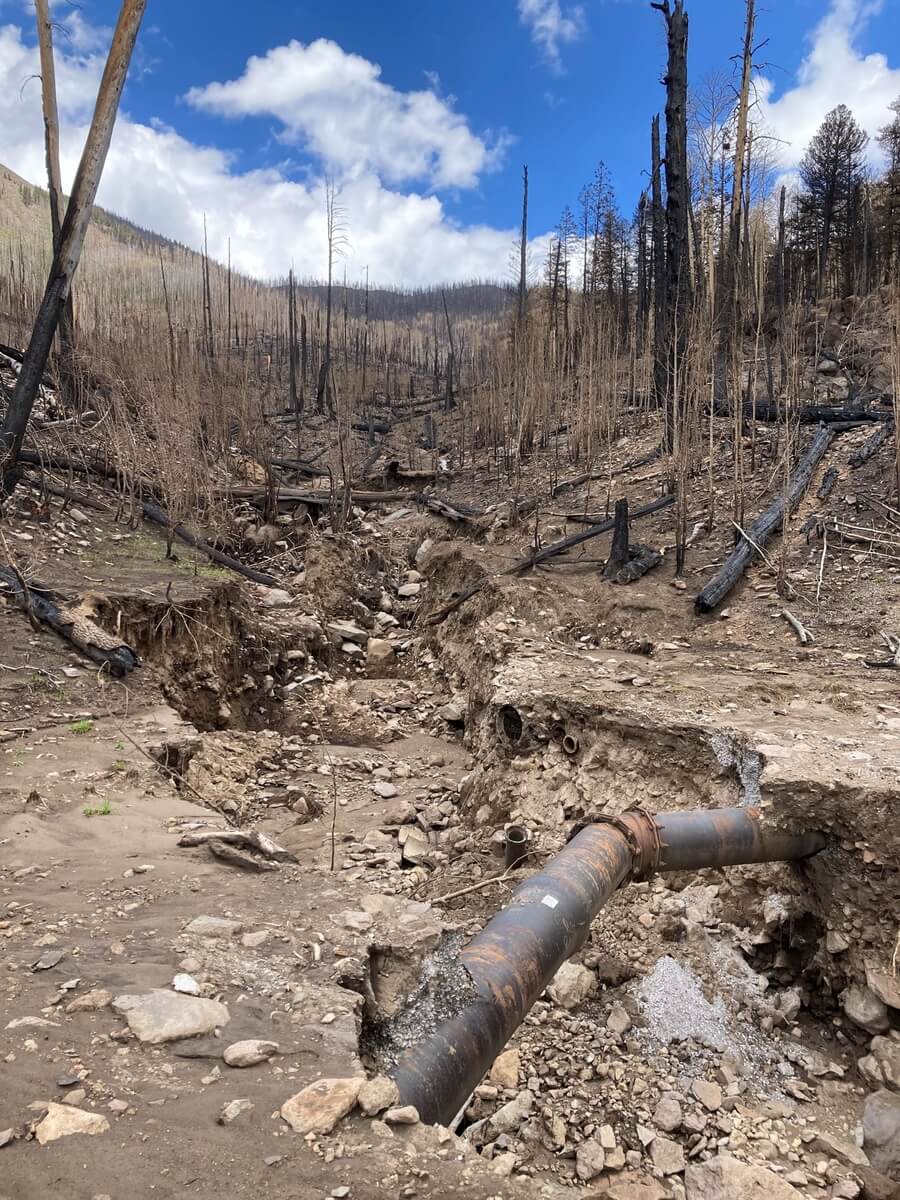
Forests need to be managed, which improves their health and better protects both the water supply and the ability to produce energy. That was the message when the U.S. House Committee on Natural Resources hosted a Jan. 8, 2026, hearing on Capitol Hill.
“A century of fire suppression and decades of mismanagement have created a perfect storm of overstocked, unhealthy and fire-prone national forests, resulting in a destabilized water supply and negative impacts on our ability to provide power across the West,” said Rep. Harriet Hageman (R-WY). “The Fix Our Forests Act addresses many of these challenges facing utilities by equipping forest managers with the tools to restore forest health, improving reliable water supplies and protecting our power infrastructure rate payers.”
Hageman cited a study in the Sierra Nevada range that shows active forest management increases downstream flows by 9 percent and other data indicating that 46.3 percent of the nation’s water supply originates on national forest system lands. Since the House passed the Fix Our Forest Act nearly one year earlier, she urged her colleagues in the Senate to follow suit. Expert testimony agreed.
“Our forests are dynamic systems that demand active management. When we fail to manage the fuels, we pay the price in blackouts, oil, water, lost hydro power and sky rocketing insurance cost,” said Randy Howard, general manager of Northern California Power Agency.
Howard spelled out major bureaucratic challenges for utilities. Hazardous trees outside of utility corridors require months or years of federal approvals for removal, even when they impose an immediate safety risk. He also cited the need for streamlining permitting and using categorial exclusions under federal law and highlighted how post-fire sediment and debris choke reservoirs that people depend on for water quality and to generate hydropower.
“The cost of reacting to wildfire is unsustainable. However, recent studies have shown that every $1 invested in proactive fuels treatment saves an average of $7. The proactive investments needed to build resilience to wildfire are a fraction of the costs the U.S. is currently incurring from wildfire,” said Madeline McDonald, watershed scientist at Denver Water, a utility that serves 1.5 million residents.
“A single catastrophic wildfire can simultaneously threaten both our water supply and our power generation. As such, our infrastructure encompasses far more than just pipelines and power lines,” said Travis Deal, CEO of Colorado Springs Utilities. “It includes these landscapes themselves that rely on the federal partnerships that we have developed to manage these critical forested landscapes. For too long, federal forests have been neglected, and many of our forests are in critical need of attention.”
Research shows active forest management in the form of prescribed burning, thinning and other treatments improves the health of forestland, enhances wildlife habitat and helps mitigate the possibility of high intensity wildfires.
The Rocky Mountain Elk Foundation is a staunch supporter and advocate of the Fix Our Forests Act, and calls on the Senate to pass it.
(Photo credit: Rocky Mountain Elk Foundation)